Innovations That
Elevate Your Health
At Sensonica, we are developing science-backed wellness devices using our own latest technology. Discover more about beneficial effects of G2Wave™ and improve your quality of life.

Subscribe to our newsletter for regular updates and insights
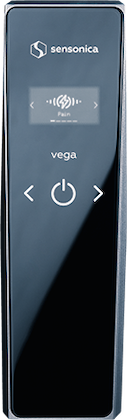
Sensonica Vega
The unique wellness device using G2Wave™ Technology.
Vega is a portable device that uses latest science discoveries to redefine wellness and provide natural relief from pain. Due to its advanced technological capabilities, Vega has a number of advantages over known PEMF therapy devices.
So far Vega has successfully proven to relieve both acute and chronic pain. It provides general body revitalisation and shortens recovery time for tissues and joints, damaged by trauma, stress or aging. Vega can also potentially reduce symptoms, ease or eliminate discomfort and limitations caused by a range of diseases including gout, rheumatism, arthritis and similar health disorders.
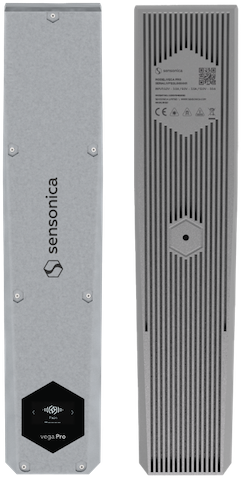
Sensonica Vega Pro
The specialised wellness equipment for professionals based on G2Wave™ Technology.
Vega Pro is a commercial device, intended for continuous long-term use by masseurs, physiotherapists and other specialists at aesthetics clinics, beauty salons or any health and welfare centres. Ideal choice for those looking for efficient nonpharmacologic pain management and revitalisation methods.
Unlike portable Vega, Vega Pro is controlled via application installed on computer or phone, and can be adjusted to implement any therapy according to the preferences of the specialist.
Contact us for details and information on pre-order.
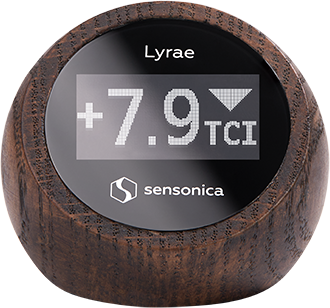
Sensonica Lyrae
Personal space weather station (* - in development).
Lyrae is a portable personal barometer capable of detecting and analysing space weather conditions at your location. Adverse space climate may not be an obvious phenomenon, yet it has significant negative effect on all living beings.
‘Space weather’ is a term used to describe conditions and events that occur in the space environment around Earth, primarily influenced by the Sun. It involves dynamic interactions between the Sun’s solar wind, magnetic fields, and Earth’s magnetosphere, ionosphere, and upper atmosphere.
Currently we are researching this field, more information is available on demand.